
 02
02
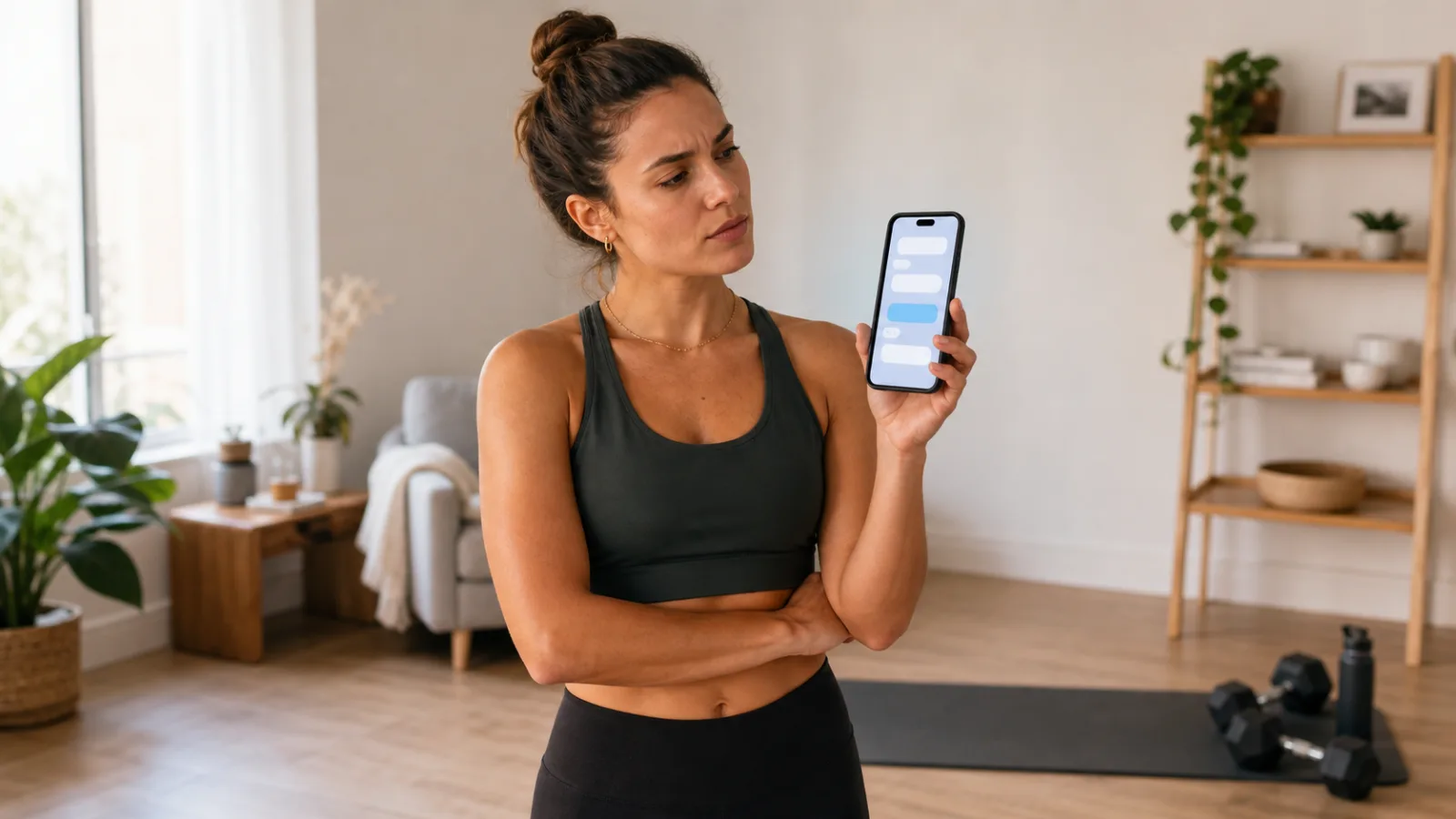
Can ChatGPT Be Your Fitness Coach?
ChatGPT can write you a workout plan in seconds—but can it actually coach you? Here is what it gets right, where it falls short, and what real coaching requires.
Jamie's fitness journal
Clear, realistic ideas for training at home, building consistency, moving well, and understanding where AI fits into fitness.
 Featured guide
Most AI personal trainers cost $0–35 per month—a fraction of the typical price of in-person coaching. Compare plans, features, and hidden costs.
Read the guide →02
ChatGPT can write you a workout plan in seconds—but can it actually coach you? Here is what it gets right, where it falls short, and what real coaching requires.
 03
03
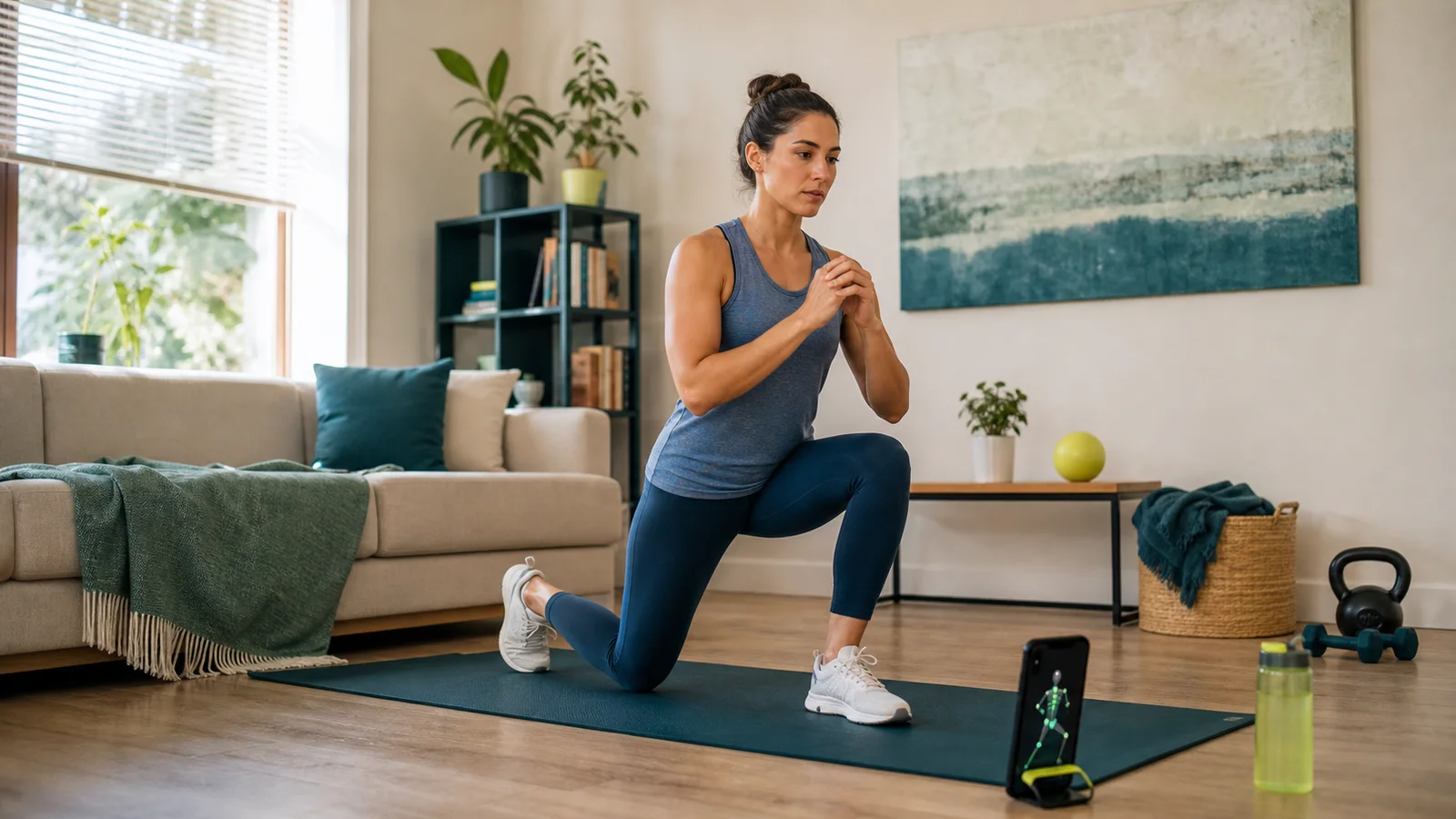
A grounded comparison of the AI fitness apps worth considering for programming, recovery, nutrition, and real-time workout feedback.
 04
04
A realistic muscle-building plan for naturally slim beginners, with a three-day routine, progression rules, protein guidance, and practical meals.
 05
05
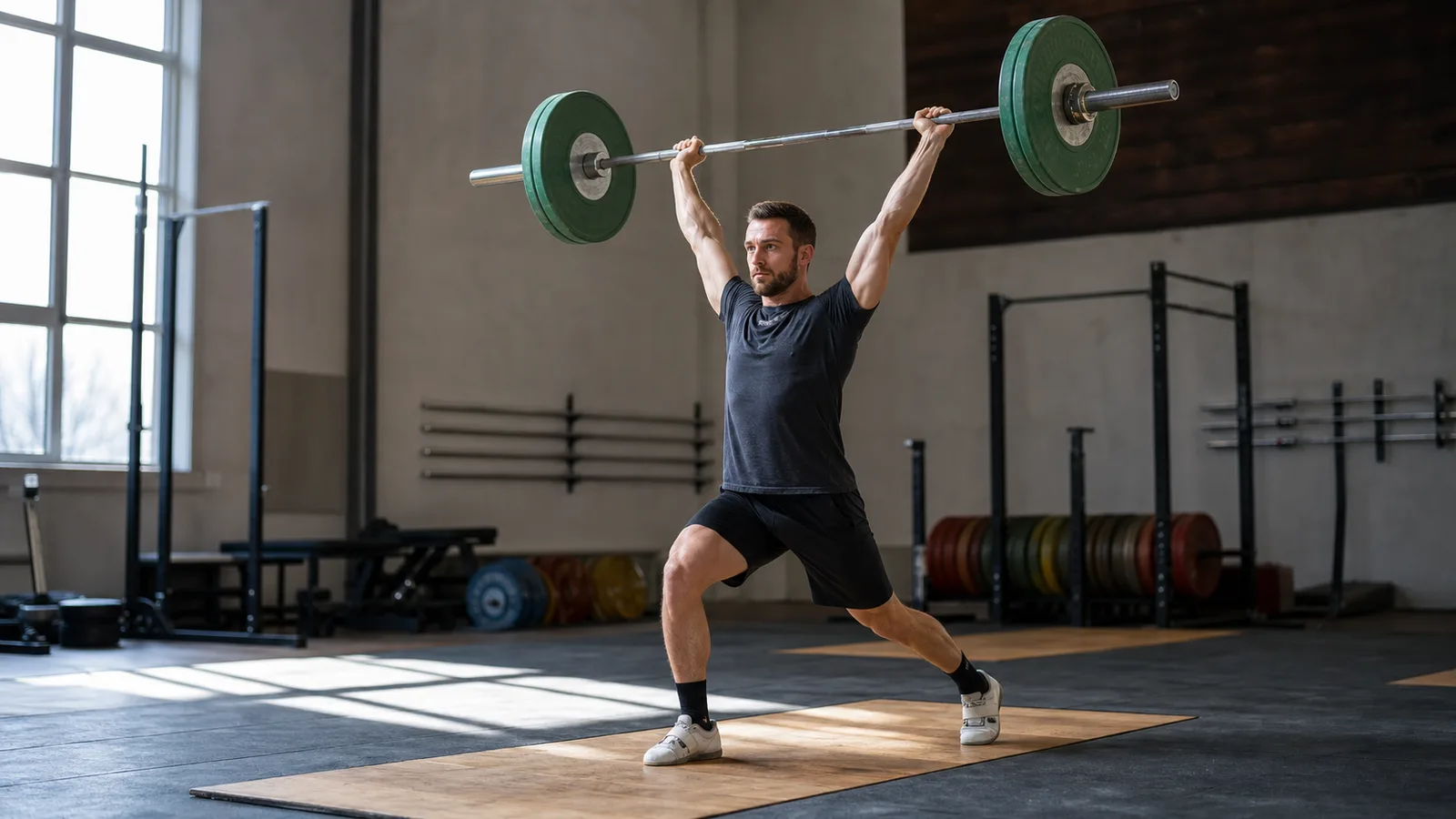
Understand the two stages of the clean and jerk, learn essential setup and receiving cues, and practice beginner drills before adding load.
 06
06
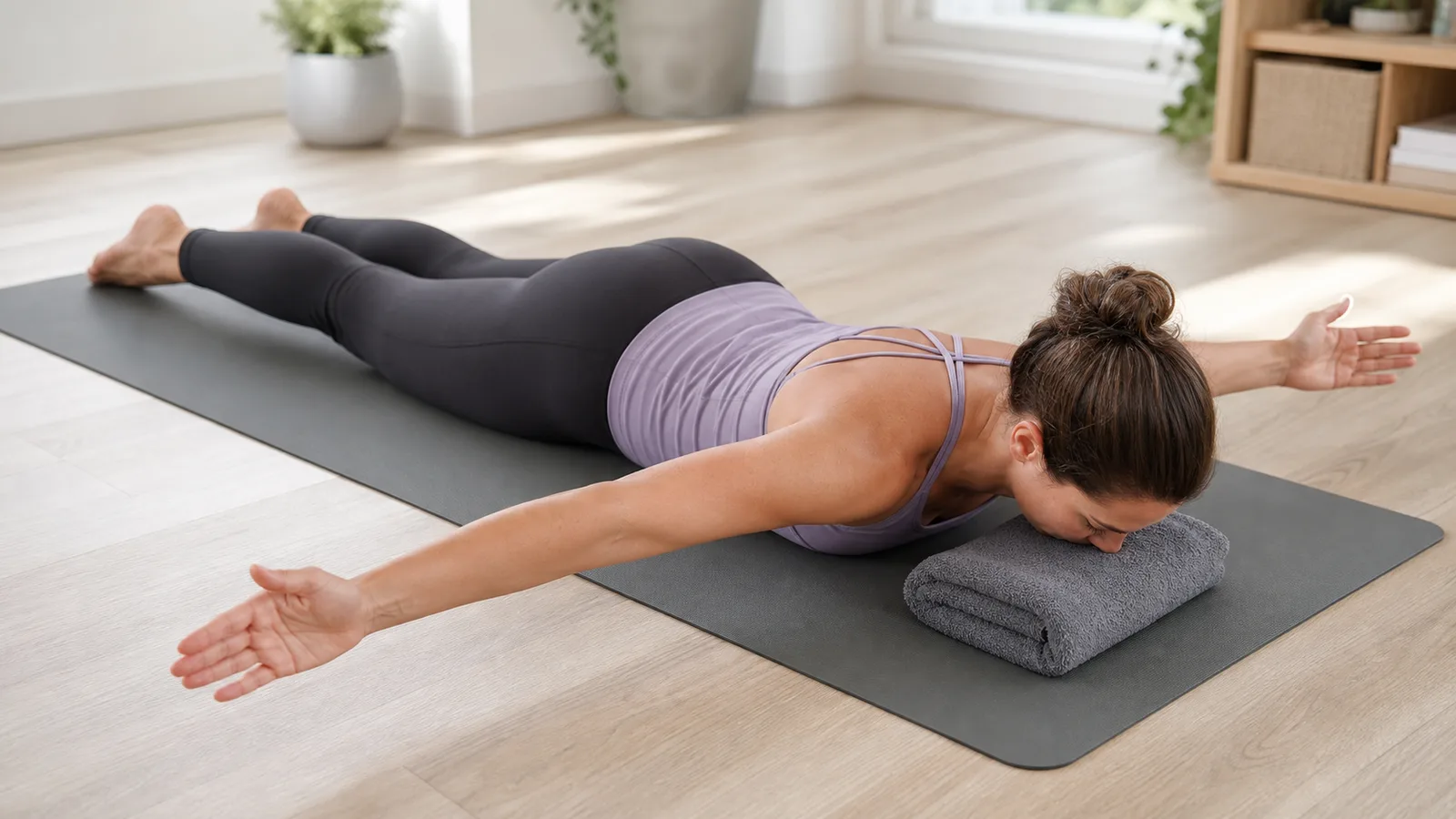
Learn the prone reverse snow angel, what it trains, the form cues that protect your neck and lower back, and easier or harder variations.
 07
07
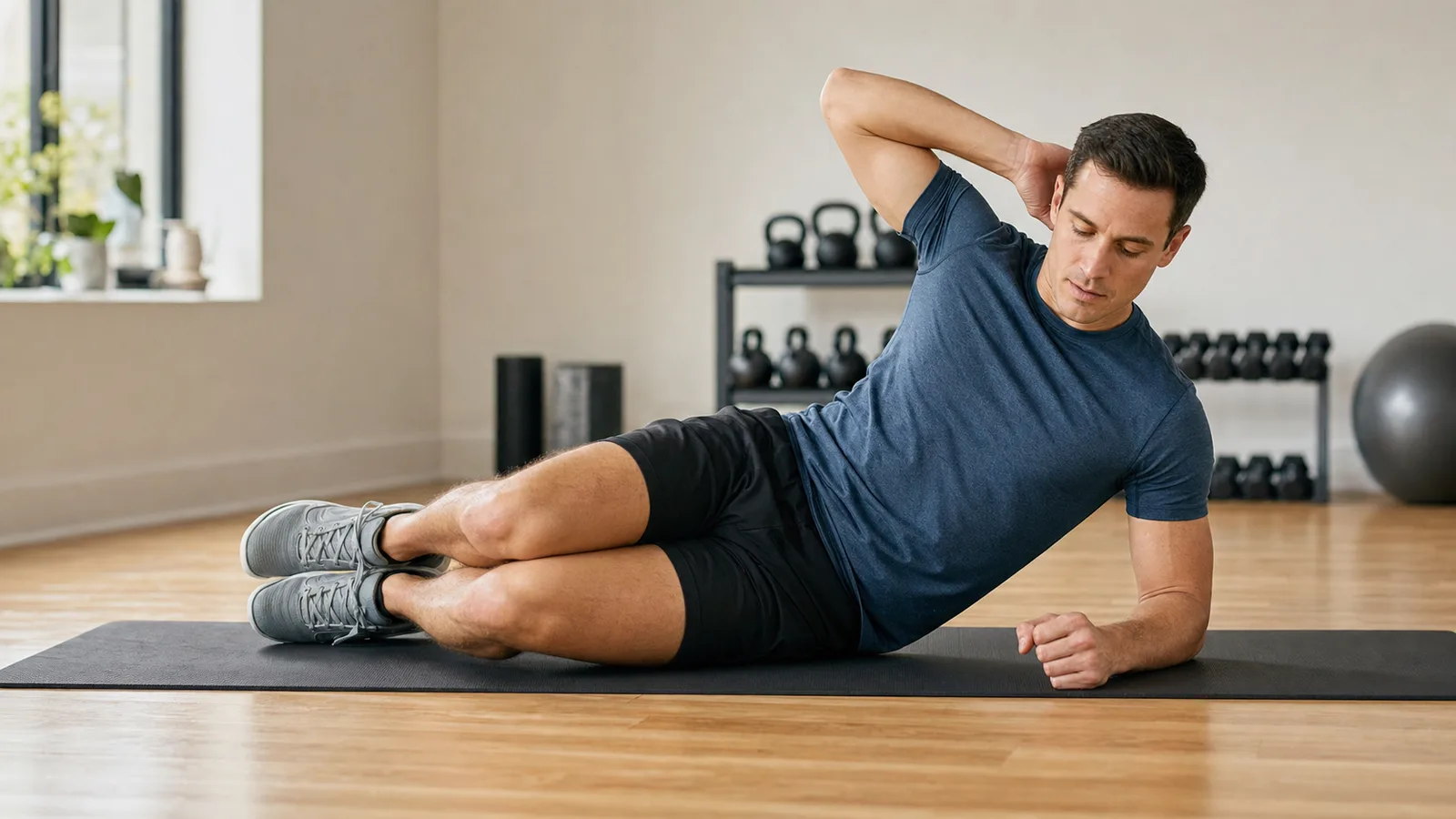
Learn side crunch form without pulling on your neck, compare standing and floor variations, and build a balanced core routine.
 08
08
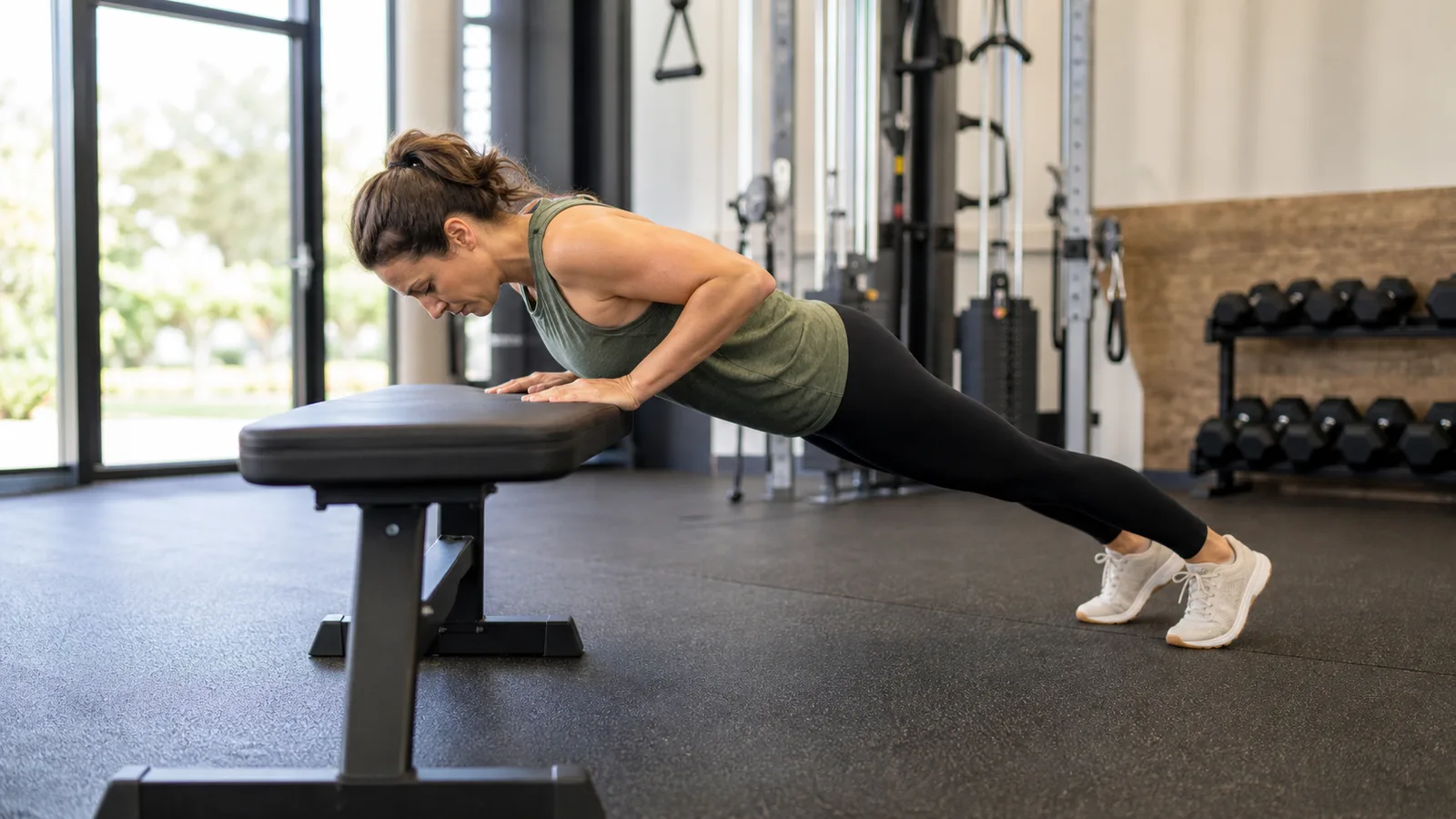
Replace dips with shoulder-friendly pressing options for any equipment level, from close-grip push-ups to cable pressdowns.
 09
09
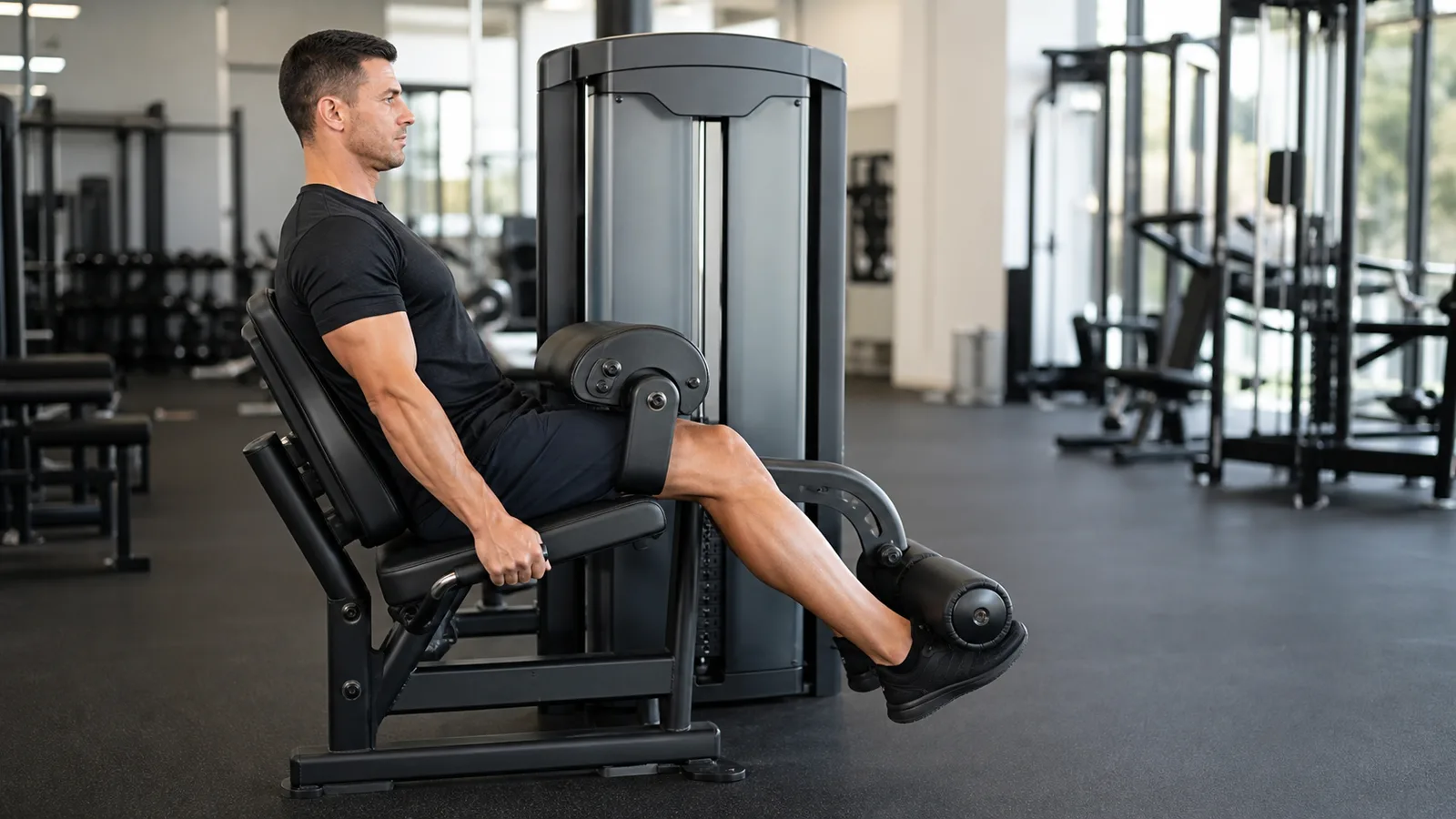
Set up the seated leg curl correctly, use a controlled range, avoid common mistakes, and choose effective alternatives when the machine is busy.
 10
10
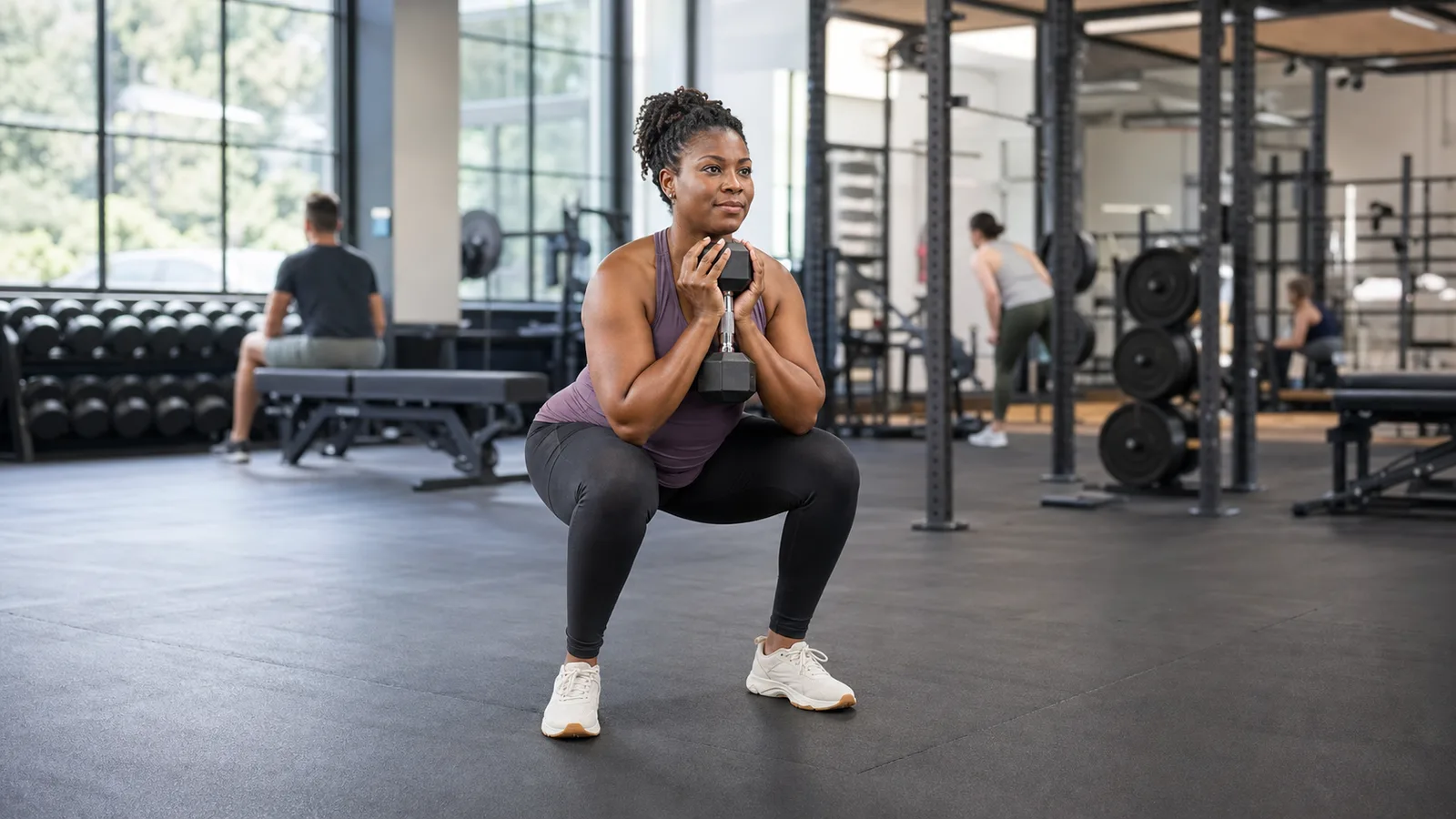
Start strength training with a clear three-day gym plan for women, including exercise swaps, sets, reps, progression, and recovery guidance.
 11
11
Build larger, satisfying meals with vegetables, fruit, broth-based soups, lean proteins, and practical swaps—without reducing food to a calorie list.
 12
12
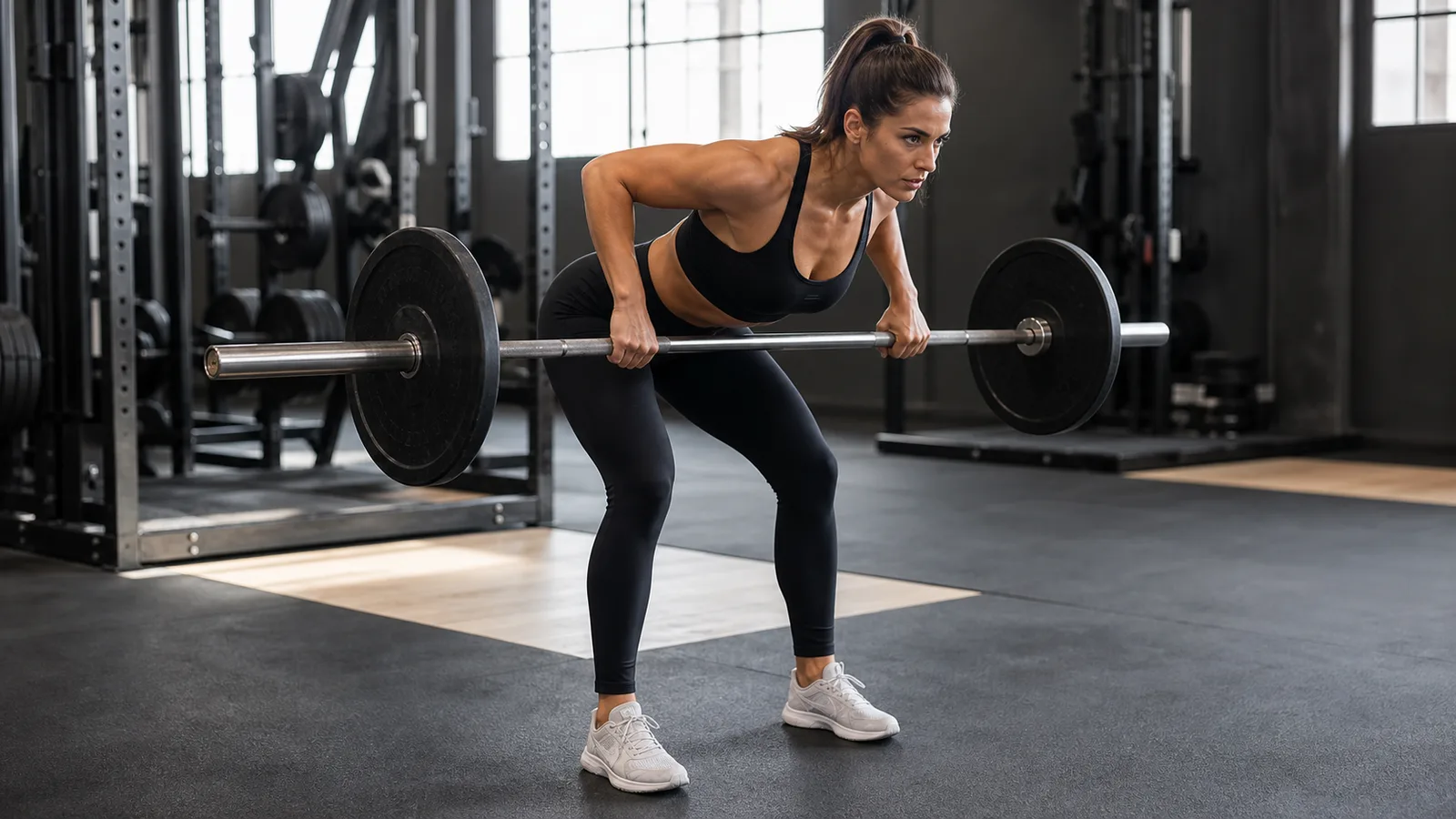
Learn wide-grip barbell row setup, torso and elbow cues, common mistakes, and back exercises that offer more support or range.
 13
13
Compare full-body, upper/lower, push-pull-legs, and body-part splits by schedule, recovery, experience, and weekly training volume.
 14
14
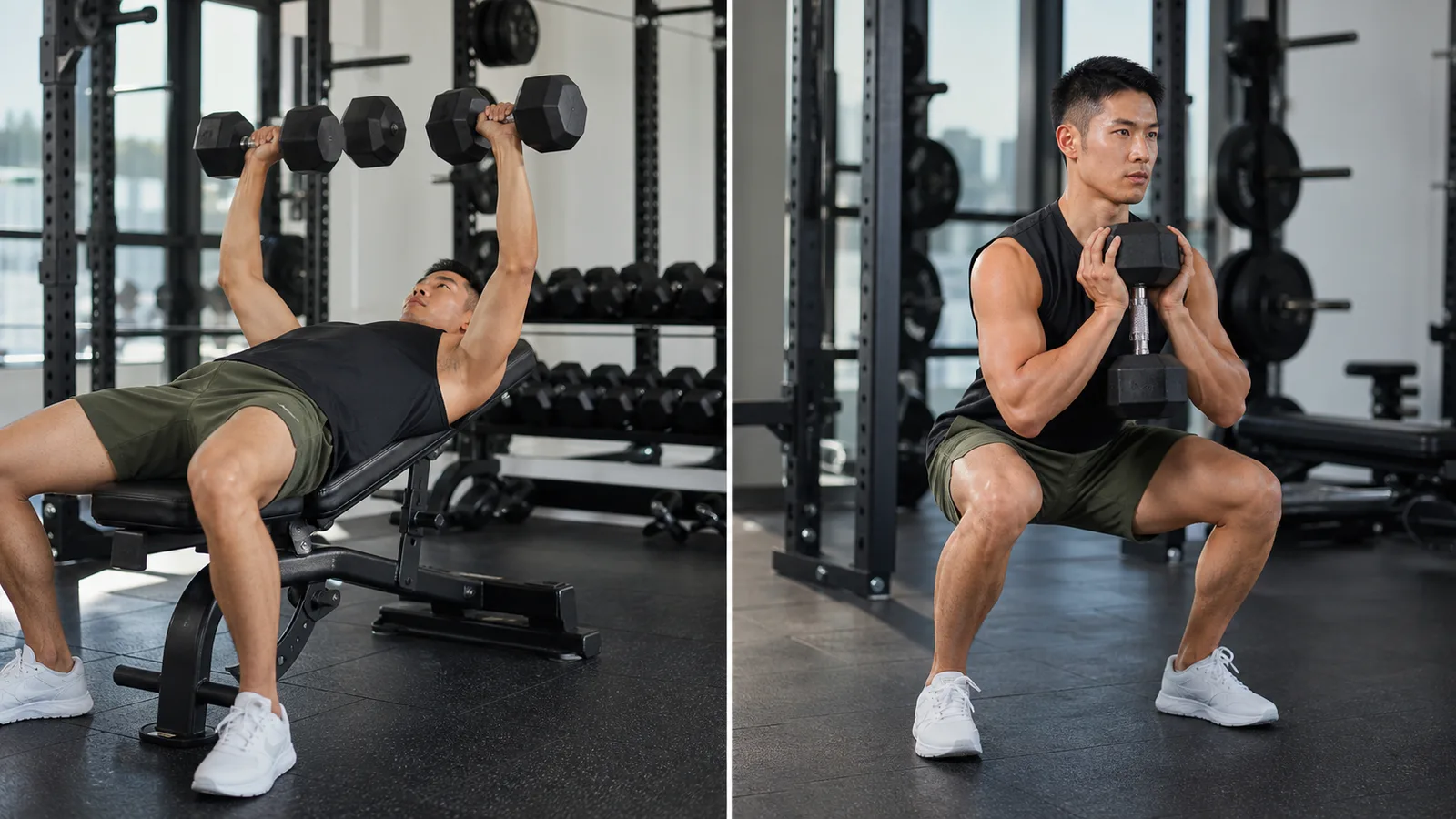
Train each major muscle group twice a week with a practical four-day upper/lower split, exercise swaps, progression rules, and recovery options.
 15
15
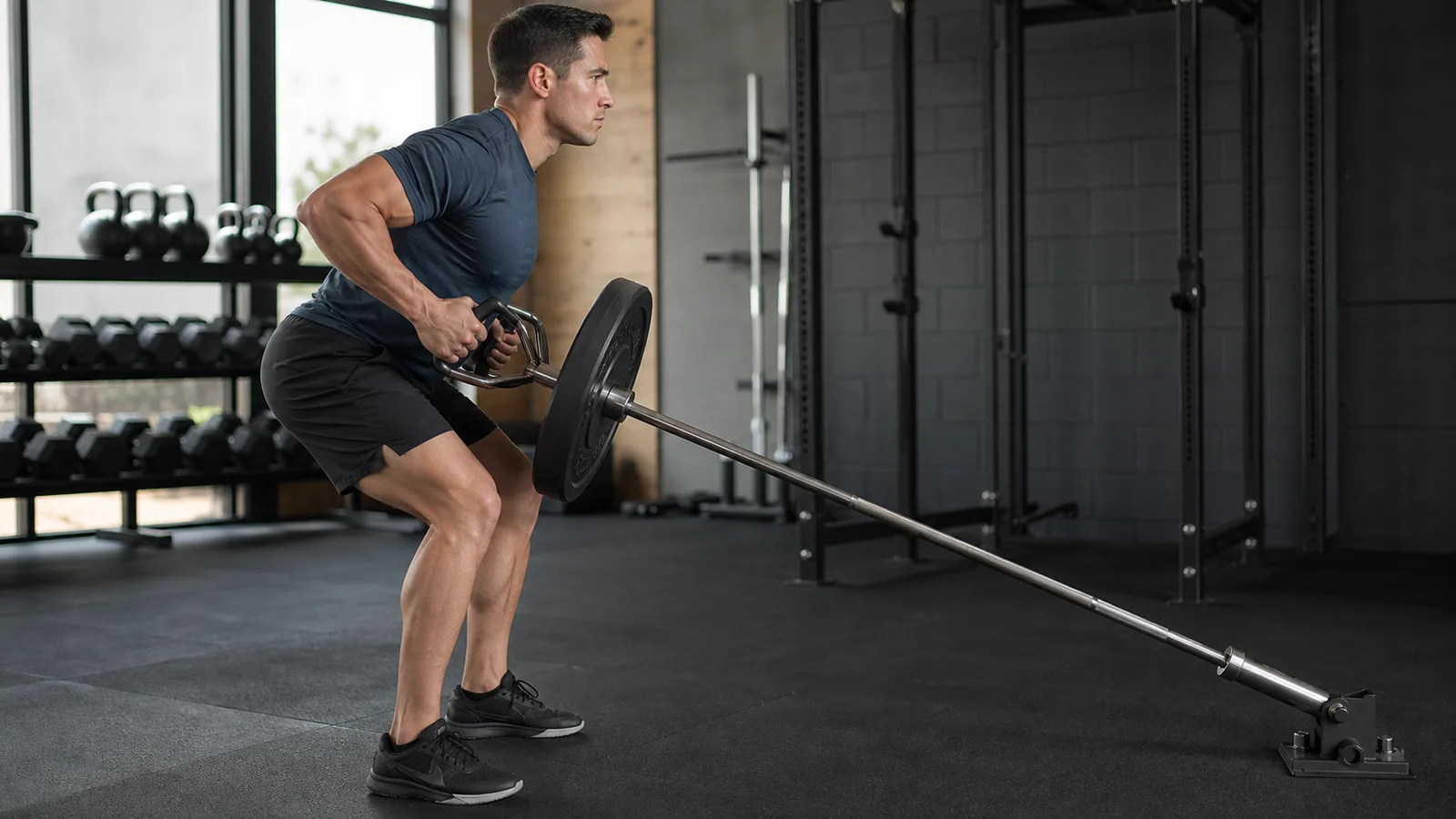
Learn two-arm and one-arm landmine row setup, safe bar anchoring, form cues, muscles worked, and smart ways to add the lift to back day.
 16
16
Train every major movement pattern three times a week with a balanced gym plan, beginner-friendly swaps, and a clear way to progress.
 17
17
Compare walking, running, cycling, swimming, and intervals—and build a cardio routine that supports weight loss without burning you out.
 18
18
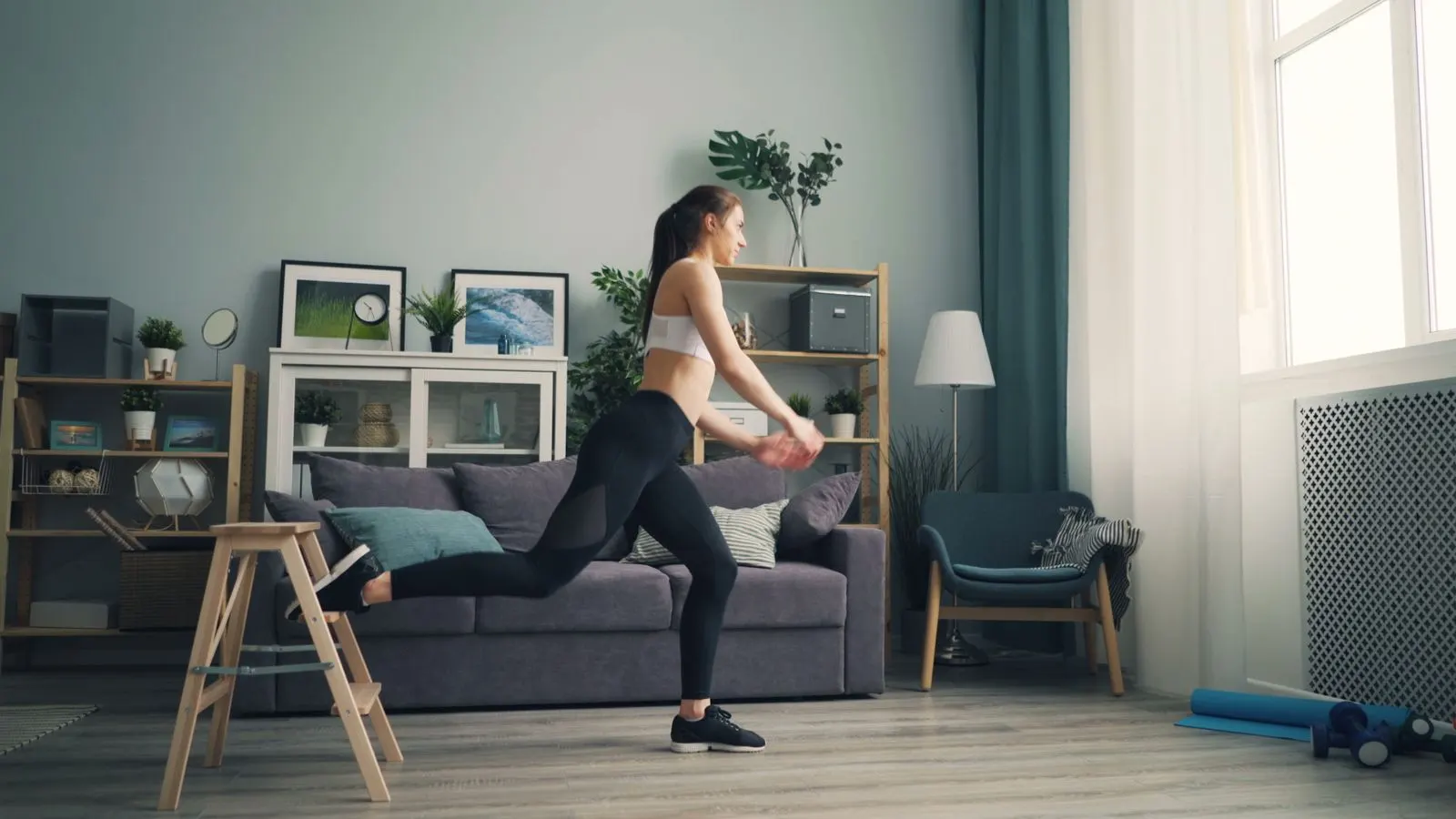
Raise your effort without adding jumps or hard landings with this beginner-friendly 20-minute interval workout for home.
 19
19
Learn what AI fitness apps actually do, how they adapt workout plans, where they help, and which limitations and privacy questions to consider.
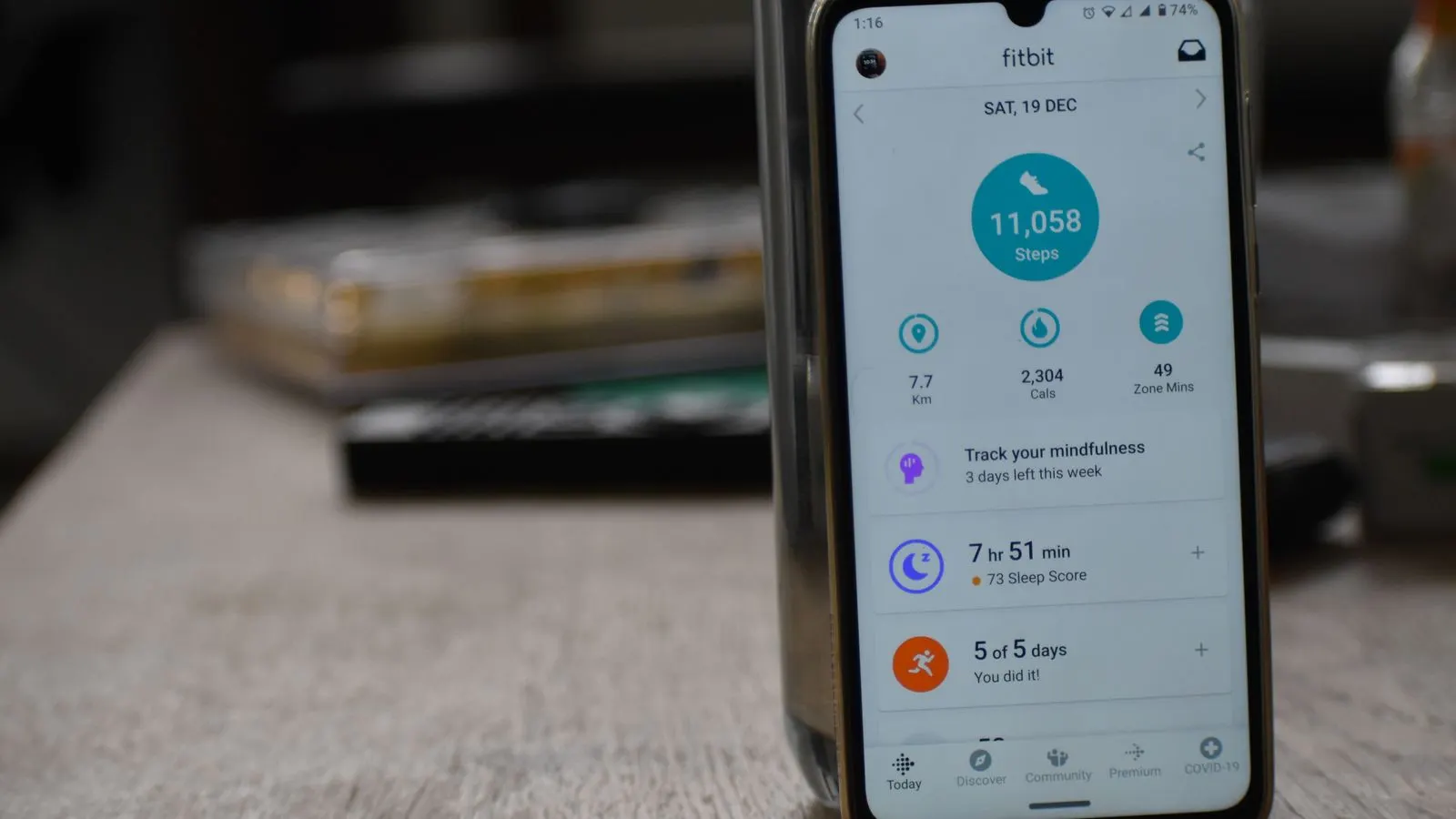 20
20
Compare seven workout apps with free access for guided home sessions, gym planning, strength programs, workout logging, and AI personalization.
 21
21
Choose a workout planning app by testing how well it fits your goal, schedule, equipment, experience, feedback, budget, and privacy expectations.
 22
22
Follow a simple four-week bodyweight exercise program for beginners with two full-body workouts, a weekly schedule, and clear ways to progress.
 23
23
Use ten simple one-minute blocks to move your whole body at home, with low-impact options and an easy way to extend the session to 15 minutes.
 24
24
Build a manageable at-home cardio session with low-impact moves, a simple intensity check, and no jumping or equipment.
 25
25
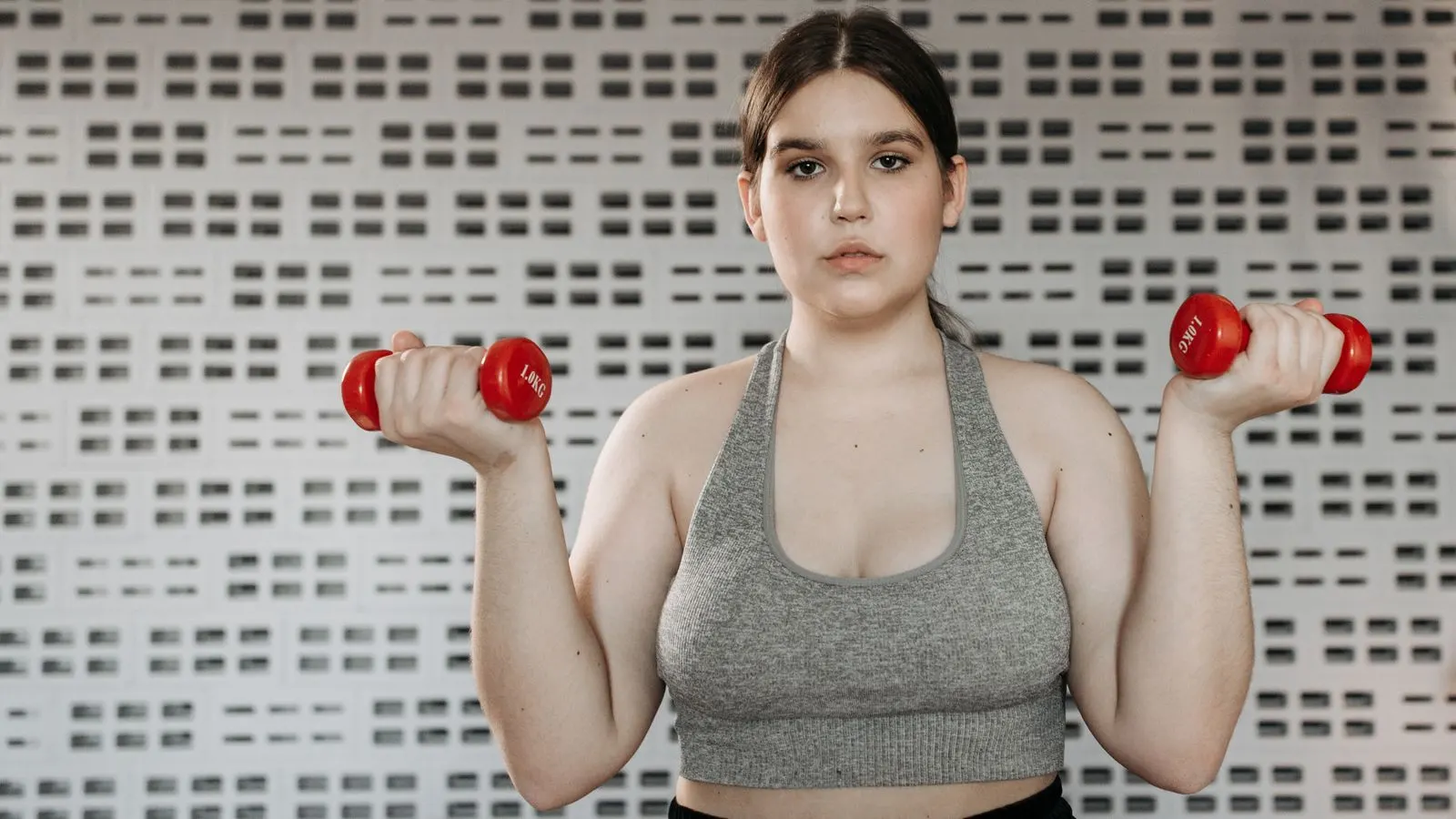
Learn eight beginner upper-body exercises with dumbbells, starting targets, form cues, and bodyweight or band alternatives.
 26
26
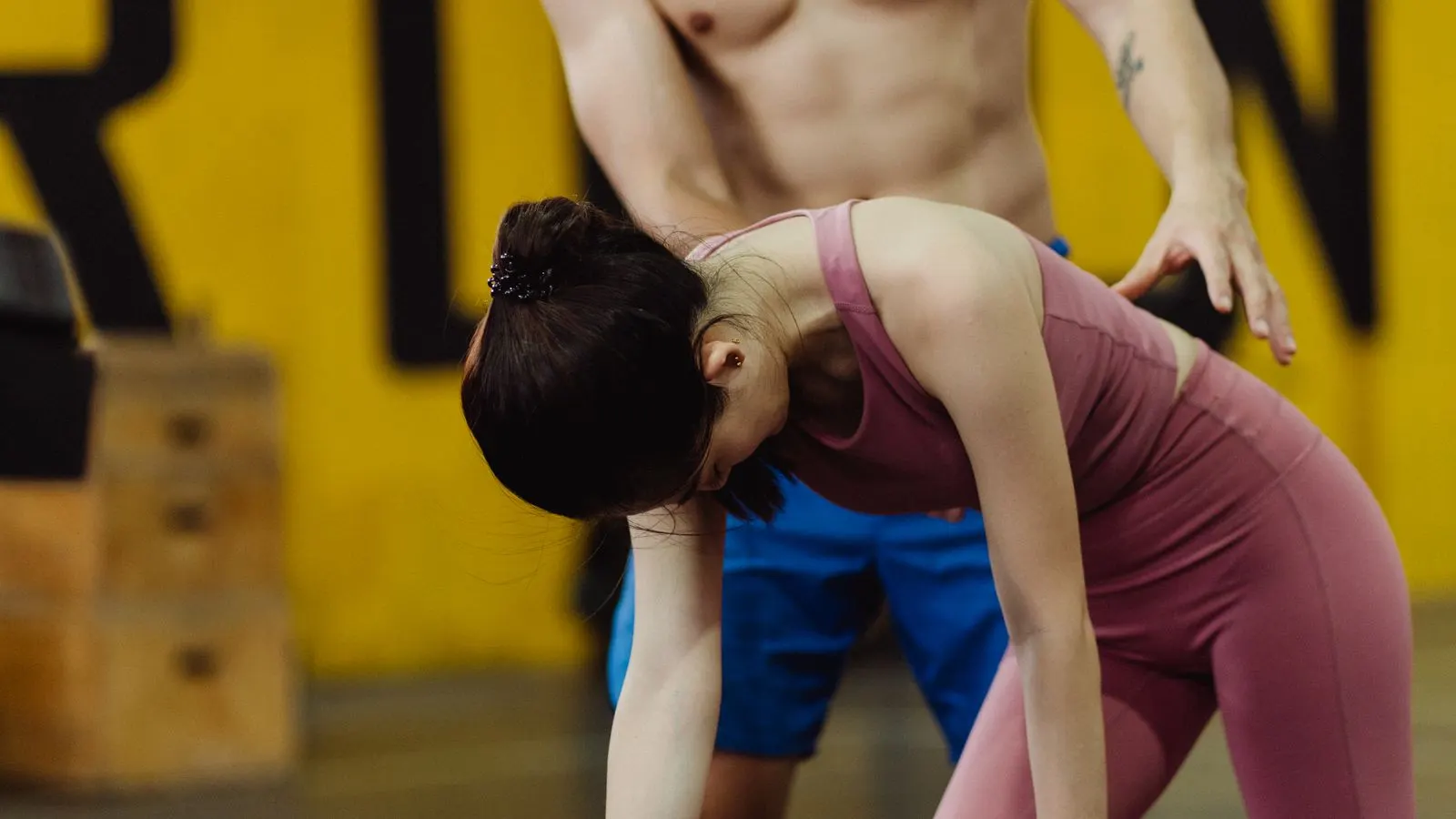
Learn how AI-guided fitness can make home workouts more personal, flexible, and easier to follow—without overcomplicating your routine.
 27
27
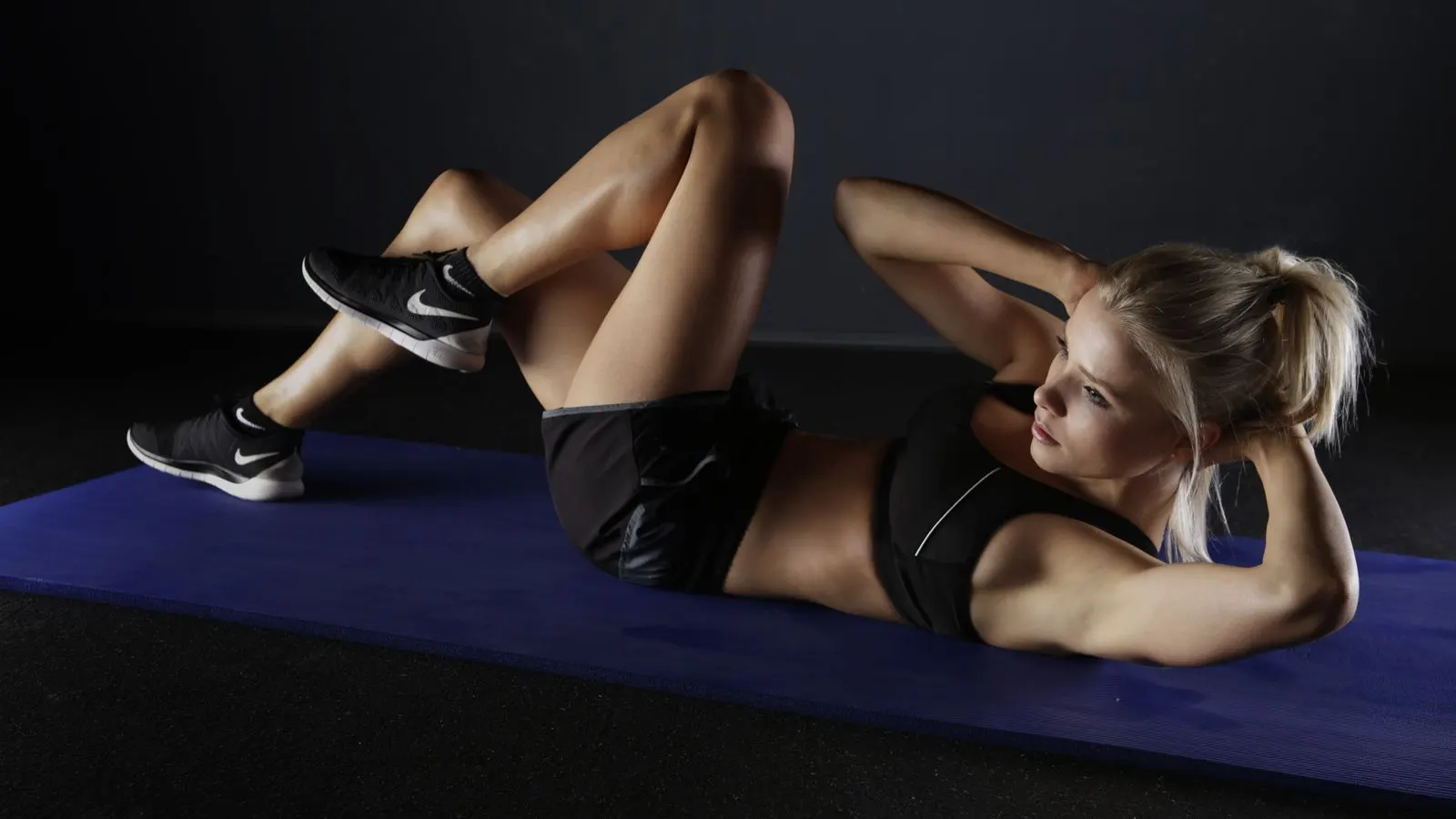
Understand work-to-rest intervals, intensity, low-impact options, and the recovery habits that make beginner HIIT sustainable.
 28
28
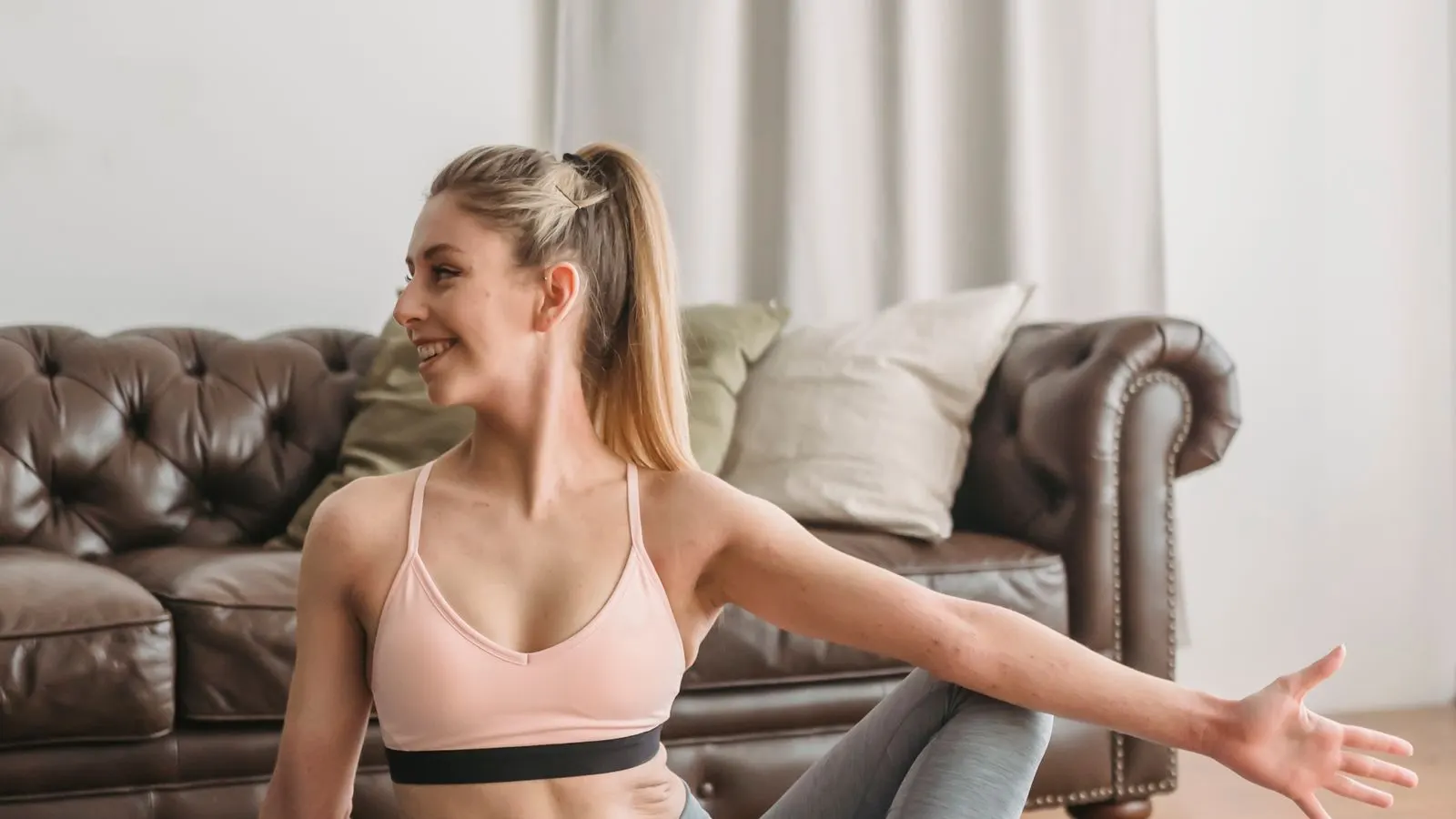
Use a short, gentle sequence to move your spine, hips, shoulders, and ankles after long stretches of sitting.
 29
29
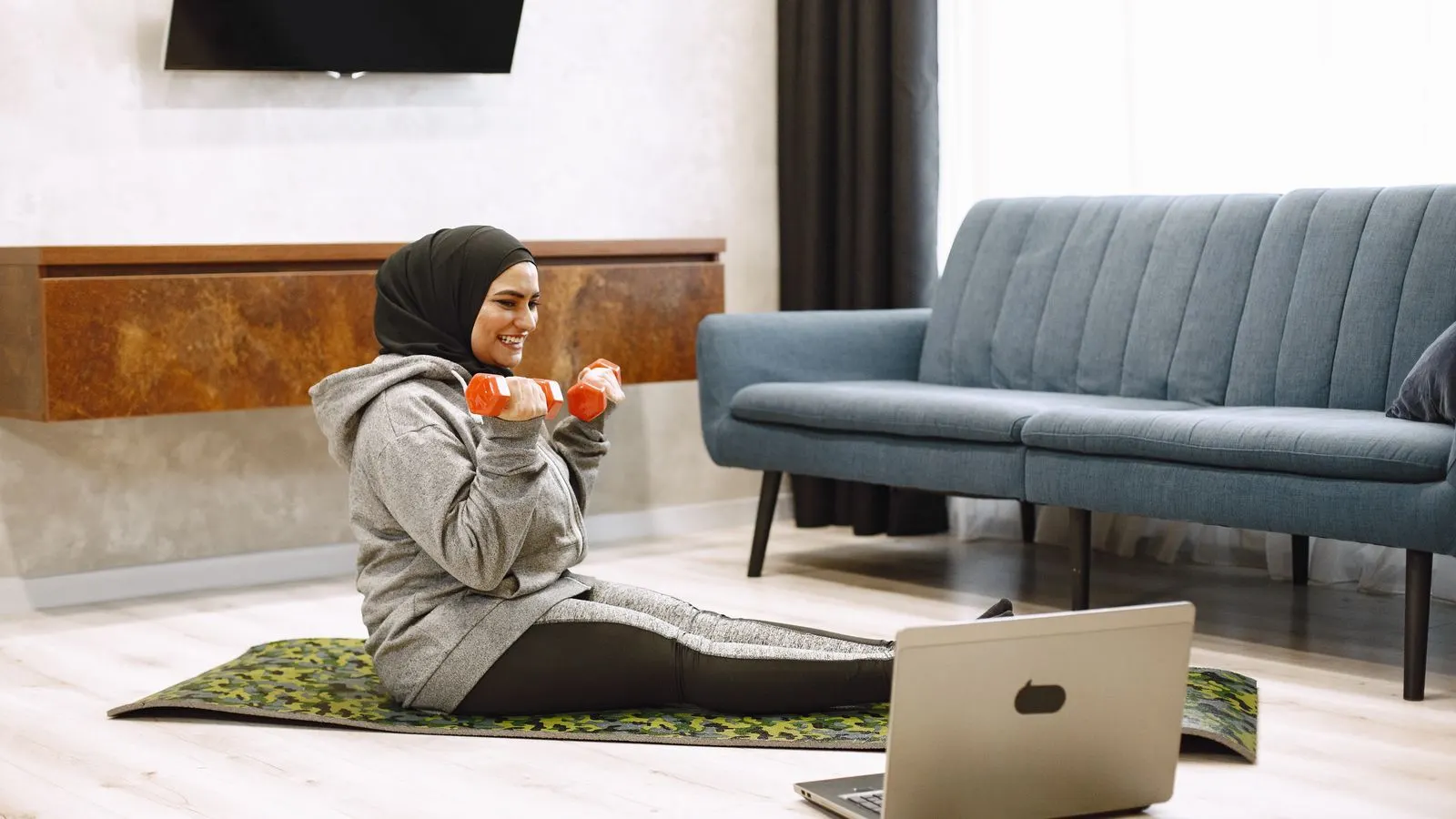
Replace the all-or-nothing routine with a flexible system built around minimum sessions, clear cues, and useful variety.